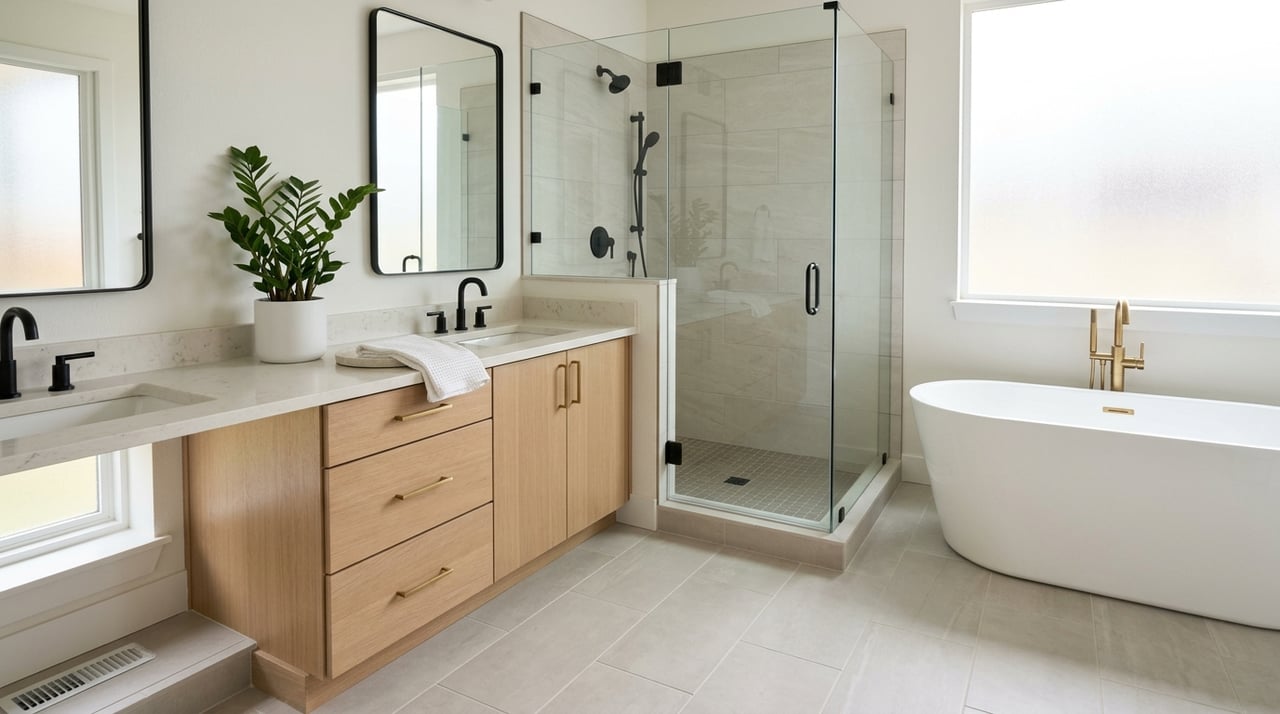
Wondering if buying new construction in Plymouth is the right move for you? It can be an exciting option, especially if you want a modern floor plan, lower immediate maintenance, and the chance to choose finishes that fit your style. But in Plymouth, new construction often comes with a different price point, timeline, and lot-related considerations than buying resale, so it pays to go in with a clear plan. Let’s dive in.
Plymouth new construction looks different
If you are comparing new construction to existing homes in Plymouth, the first thing to know is that they often sit in different parts of the market. In the rolling 12 months reported in January 2026, Plymouth’s median sales price was $500,000 and the average sales price was $585,876, with 1.3 months of supply.
Current marketed new-home options in Plymouth are notably higher than that resale baseline. Visible examples like Hollydale and Hampton Hills show asking prices that range from the high $800,000s into the $1 million-plus range, with some homes well above that. In practical terms, buying new construction in Plymouth is often not just buying a newer house. It is often stepping into a different product category altogether.
Compare budget beyond the base price
A builder’s advertised starting price is only one part of your total cost. You also need to account for earnest money, closing costs, moving expenses, furniture, and any post-closing items you may want to add once you move in.
In a new-construction purchase, incentives can also look better on paper than they do over time. Builder or seller credits may help reduce upfront cash, but they can come with tradeoffs in price or interest rate. That is why it helps to compare the full cost of each option instead of focusing only on the headline incentive.
Ask what is actually included
Two homes with similar advertised pricing can end up far apart once you account for upgrades, allowances, and lot premiums. In Plymouth’s current communities, pricing varies by plan, homesite, and builder, so it is important to ask for a clear breakdown early.
You will want to know what comes standard and what costs extra. Flooring, appliances, landscaping, cabinetry, lighting, and finished lower levels can all affect your real bottom line.
Lot choice matters in Plymouth
In many new-construction communities, buyers focus first on the model home or floor plan. In Plymouth, the lot deserves just as much attention. The city’s planning and zoning rules cover land use, lighting, landscaping, shoreland, floodplains, and wetlands, which means the value of a lot goes well beyond what you see on the marketing sheet.
If privacy, views, or future flexibility matter to you, take a close look at the homesite itself. A great floor plan on the wrong lot may not feel as good long term as a solid plan on a better-positioned parcel.
Drainage and soil are practical issues
Plymouth notes that clay-heavy soil can contribute to runoff, standing water, and soggy lawns. That does not mean every lot has a problem, but it does mean drainage should be part of your evaluation before you commit.
Ask how the builder plans to handle grading, drainage, and runoff on the specific homesite you are considering. It is much better to understand those conditions upfront than to discover water issues after you move in.
Easements affect usable space
Public right-of-way and easements can limit how you use parts of a property. In Plymouth, right-of-way may be used for roads, utilities, sidewalks, trails, and snow storage, and easements stay in effect after a property is sold.
That matters if you are thinking about yard use, driveway placement, fences, or future additions. Before you move forward, ask how easements affect the lot’s usable area and any future plans you may have.
Verify the school district by address
Plymouth is served by four public school districts, and the city notes that boundaries do not match city limits. Most of the city is in Wayzata Public Schools, but you should never assume district assignment based on a Plymouth address alone.
This is especially important in planned communities where homesites may vary. If school assignment is part of your decision, verify it by the exact property address before you write an offer or sign a builder contract.
Research the neighborhood around the lot
A lot can feel private today and look very different a few years from now. Plymouth’s planning division reviews subdivisions, new development, redevelopment, and the city’s comprehensive plan, so future land use is worth checking before you choose a homesite.
This is a smart step if you are paying a premium for woods, open space, pond views, or greenbelt settings. In communities like Hollydale and Hampton Hills, those natural features are a big part of the appeal, so it makes sense to confirm what may or may not change nearby over time.
Choose the right builder type
Plymouth buyers will see a mix of builder options. Some communities offer quick-move-in homes, while others allow you to choose from plans or build a more custom home.
That distinction matters because your timeline, decision-making process, and final price can look very different depending on the builder and product type. A quick-move-in home may work well if you need a shorter timeline, while a custom or semi-custom build may be a better fit if personalization is your top priority.
Confirm builder licensing
Minnesota requires residential building contractors who contract directly with homeowners for this type of work to be licensed, and the state distinguishes between a residential building contractor and a remodeler. A contractor licensed to remodel is not the same thing as one licensed to build a new home.
The state also requires proof of insurance before licensing and offers a license-check tool. Before you commit, confirm that the builder you are considering has the proper licensing for new-home construction.
Understand permits and inspections
Plymouth’s permit process is one reason new construction can take longer than resale. The city says new-construction permit packets require a survey-based plot plan, scaled construction plans, and inspections throughout construction.
Some residential permit applications can take up to five working days, and plans may be returned if they do not meet code requirements. Even when everything is moving in the right direction, there are more steps involved than there are in a typical resale purchase.
Final occupancy is a real milestone
In Plymouth, final occupancy is tied to survey and grade verification. The city also requires grading permits for excavation, grading, stockpiling, or filling within city limits.
That means your move-in timing may depend on more than just whether the house looks finished. Site work, grading, inspections, and final approvals can all affect when the home is truly ready for occupancy.
Know your warranty protections
One benefit of new construction in Minnesota is the state’s statutory warranty framework. Minnesota law provides a one-year warranty for faulty workmanship or materials, a two-year warranty for plumbing, electrical, heating, and cooling installation defects, and a ten-year warranty for major construction defects.
These warranty periods begin when you take possession of the home. You should also ask the builder whether any additional warranty coverage is included beyond the statutory requirements.
Review the contract carefully
The Minnesota Attorney General advises that a construction contract should clearly spell out permits, inspections, payment schedules, holdback clauses, and cleanup. The same guidance also warns buyers to be cautious about overly large down payments.
A clear contract helps set expectations and reduces surprises later. If any part of the pricing, schedule, upgrade process, or refund policy feels vague, ask for clarification before signing.
New construction timelines vary more
A resale home is already built, which makes the closing path more predictable. New construction follows a different schedule because it can be affected by plan review, grading, utilities, inspections, and occupancy sign-off.
That said, not every new-construction purchase means waiting through a full build. Some Plymouth communities market quick-move-in homes, which can offer a middle ground between a resale timeline and a fully custom process.
Questions to ask before you commit
If you are serious about buying new construction in Plymouth, bring these questions to every builder conversation:
- Which school district is this exact homesite in?
- What is included in the base price, and what is considered an upgrade or allowance?
- Is there a lot premium on this homesite?
- Who is responsible for permits, inspections, surveys, and final occupancy paperwork?
- What is the earnest money or deposit policy, and when is it refundable?
- What warranty coverage is included beyond Minnesota’s statutory warranties?
- How will drainage, grading, and any wetland or tree-preservation issues be handled on this lot?
- Is this home quick-move-in, to-be-built, or custom?
Why local guidance helps
Buying new construction in Plymouth can be rewarding, but it is not always as simple as choosing a floor plan and waiting for the keys. Price point, lot conditions, district boundaries, builder terms, and city approvals can all shape the experience in a big way.
If you want help comparing builders, evaluating lots, or weighing new construction against resale in Plymouth, the Greg Winegarden Group can help you make a confident, informed decision.
FAQs
What should you compare when buying new construction in Plymouth?
- You should compare the base price, included features, upgrades, lot premiums, earnest money, closing costs, warranty coverage, and expected timeline.
Why does lot selection matter in Plymouth new construction?
- Lot selection matters because drainage, clay-heavy soil, easements, wetlands, floodplain rules, and nearby future development can all affect how the property lives and functions over time.
How do you verify the school district for a new home in Plymouth?
- You should verify the school district by the exact property address because Plymouth is served by four public school districts and the boundaries do not align perfectly with city limits.
What warranties come with a new home in Minnesota?
- Minnesota law provides statutory warranties of one year for faulty workmanship or materials, two years for plumbing, electrical, heating, and cooling installation defects, and ten years for major construction defects.
How long does new construction take in Plymouth?
- Timelines vary, but new construction generally takes longer than resale because of permit review, grading, utility work, inspections, and final occupancy approval, although quick-move-in homes may shorten the process.
What should you ask a builder before signing a contract in Plymouth?
- You should ask about included features, upgrade costs, permits, inspections, deposit refund terms, warranty coverage, school district assignment, and how the builder will handle drainage and grading on the lot.