Selling your home in Plymouth can move quickly, but the best results usually start well before the listing goes live. If you want strong photos, fewer surprises, and a smoother path from launch to closing, your prep work matters. The good news is that you do not need to do everything at once. You just need a smart plan that helps you focus on what buyers notice most and what Minnesota sellers need to disclose. Let’s dive in.
Why prep matters in Plymouth
Plymouth is a homeowner-focused market, with a 75.1% owner-occupied housing unit rate and a median owner-occupied home value of $491,200 based on 2020 to 2024 Census data. In March 2026, market data showed a median sale price of $506,000, median days on market of 27, and a 98.9% sale-to-list ratio. More than a third of homes sold above list price, while 20.1% had price drops.
What does that mean for you as a seller? Buyers may move fast, but they still notice condition, presentation, and signs of deferred maintenance. In a competitive market, early preparation can help your home stand out online, show well in person, and avoid issues that could slow down a sale.
Start 90 days before listing
Pull permit and inspection records
One of the smartest first steps is checking your property history through the City of Plymouth’s My Property Info tool. Plymouth notes that certain residential work may require permits, including electrical, plumbing, mechanical, and some fence or wall work. If you have completed updates over the years, this is the time to confirm that records are complete.
This step can help you spot open permits, missing final inspections, or work that may need explanation before your home hits the market. It is much easier to sort out questions now than when a buyer is already under contract.
Gather required disclosures early
Minnesota requires sellers to make a written disclosure of material facts they know that could adversely and significantly affect an ordinary buyer’s use and enjoyment of the property. Depending on the property, that can also include radon disclosure materials, written well disclosure for known wells, and septic-related disclosure if applicable. If your home was built before 1978, federal lead-based paint disclosure rules also apply.
Starting early gives you time to be accurate and organized. It also helps you avoid a last-minute scramble when photos, showings, and offers begin.
Consider a pre-listing inspection
A pre-listing inspection is not required, but it can be helpful in the right situation. If your home is older, has complex systems, or has had major repairs, an inspection before listing may reduce the chance of a surprise during the buyer’s inspection.
That does not mean you need to fix everything. It means you can make informed choices about what to repair, what to monitor, and what to disclose clearly.
Focus on repairs 60 days out
Fix small issues buyers notice fast
Small defects can create bigger doubts in a buyer’s mind. Sticky doors, torn screens, cracked caulking, dripping faucets, dirty walls, worn carpet, and lingering odors can make a home feel less cared for, even when the larger systems are solid.
Start with visible function and first impression. In many cases, these are the updates that offer the best return on your time and budget because they reduce distraction and help buyers focus on the home itself.
Prioritize practical over perfect
You do not need a full remodel to prepare your home for sale. In most cases, your first dollars should go toward repairs, deep cleaning, decluttering, and simple cosmetic improvements that make the home feel move-in ready.
Think in terms of confidence. If a buyer sees that the home is clean, bright, and well maintained, they are more likely to feel comfortable making a strong offer.
Decide what to fix and what to disclose
A common question is whether you should repair every issue before listing. The better approach is usually to fix what is reasonable, disclose what remains, and document the rest. Minnesota’s disclosure law is based on good-faith written disclosure of known material facts, so honesty and clarity matter.
If you are weighing several repairs, start with items that affect daily function, visible maintenance, and buyer perception. That usually gives you the strongest payoff.
Stage the rooms that matter most
Start with living areas, kitchen, and primary bedroom
Staging does not have to mean renting a whole new house worth of furniture. It means helping buyers picture how the home lives. According to the National Association of Realtors’ 2023 staging profile, the living room, primary bedroom, and kitchen were the most important rooms to stage.
That same research found that 81% of buyers’ agents said staging made it easier for buyers to visualize a property as a future home. Some agents also reported that staging increased offers by 1% to 5%.
Keep the look simple and neutral
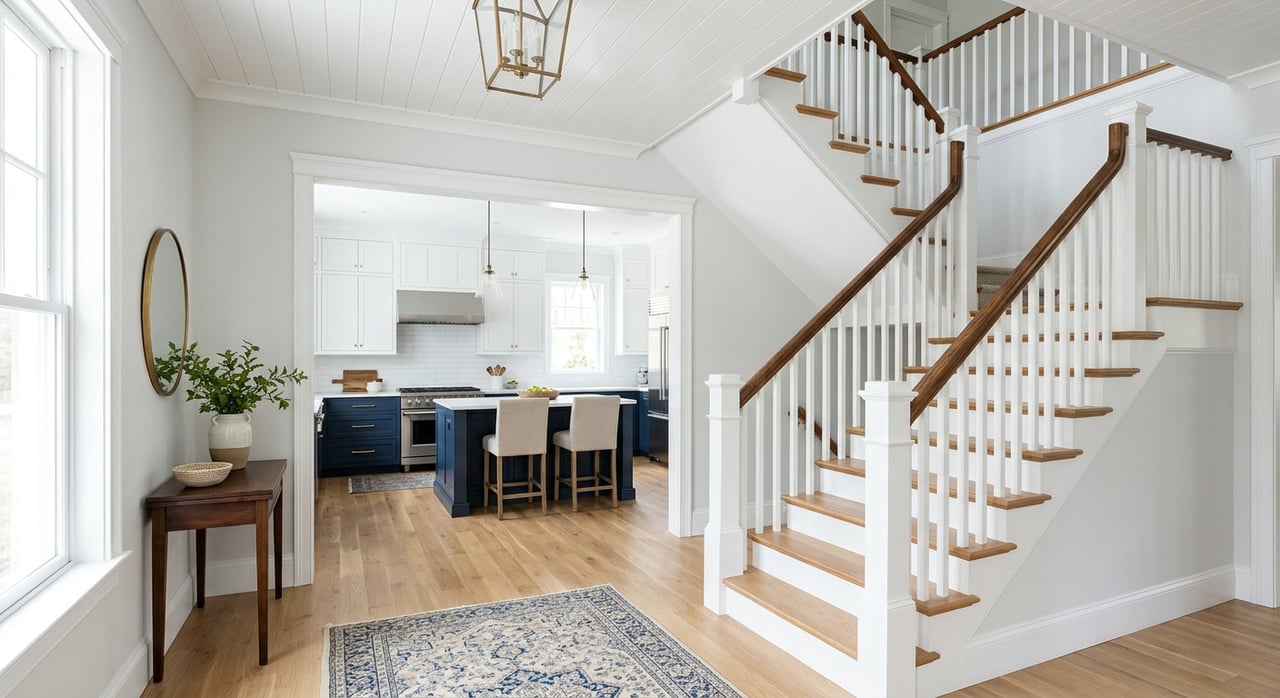
The goal is not to show off your style. The goal is to make the home feel spacious, clean, and easy to understand. Clear off excess decor, thin out furniture if rooms feel tight, and use simple accents that support the space without overwhelming it.
This is especially important in online photos, where clutter tends to look more noticeable than it does in person.
Do not ignore outdoor spaces
Outdoor presentation matters too. Staging research treats yard and outside space as a meaningful category, and buyers often form their first impression before they ever walk inside.
Tidy landscaping, a clean front entry, and a usable-looking backyard can help your home feel cared for from the start. In Plymouth, where many homes offer strong curb appeal and functional outdoor areas, that first impression carries real weight.
Get photo-ready 30 days out
Deep clean and declutter
As your listing date gets closer, shift from general prep to photo-ready presentation. Clean windows and screens, replace burned-out bulbs, open curtains or blinds, and remove clutter from counters, shelves, and floors.
If any room feels dark, dingy, or visually busy, buyers will notice it in the photos first. Online presentation is often your first showing, so this stage matters more than many sellers expect.
Brighten rooms and simplify surfaces
Fresh neutral paint can help brighten darker spaces and create a clean backdrop. You do not need to strip all personality from the home, but you should aim for a polished, calm look that feels easy to move into.
Bathrooms and kitchens deserve extra attention here. Clear toiletries, minimize countertop items, and make sure surfaces look clean and open.
Prep the front exterior for photos
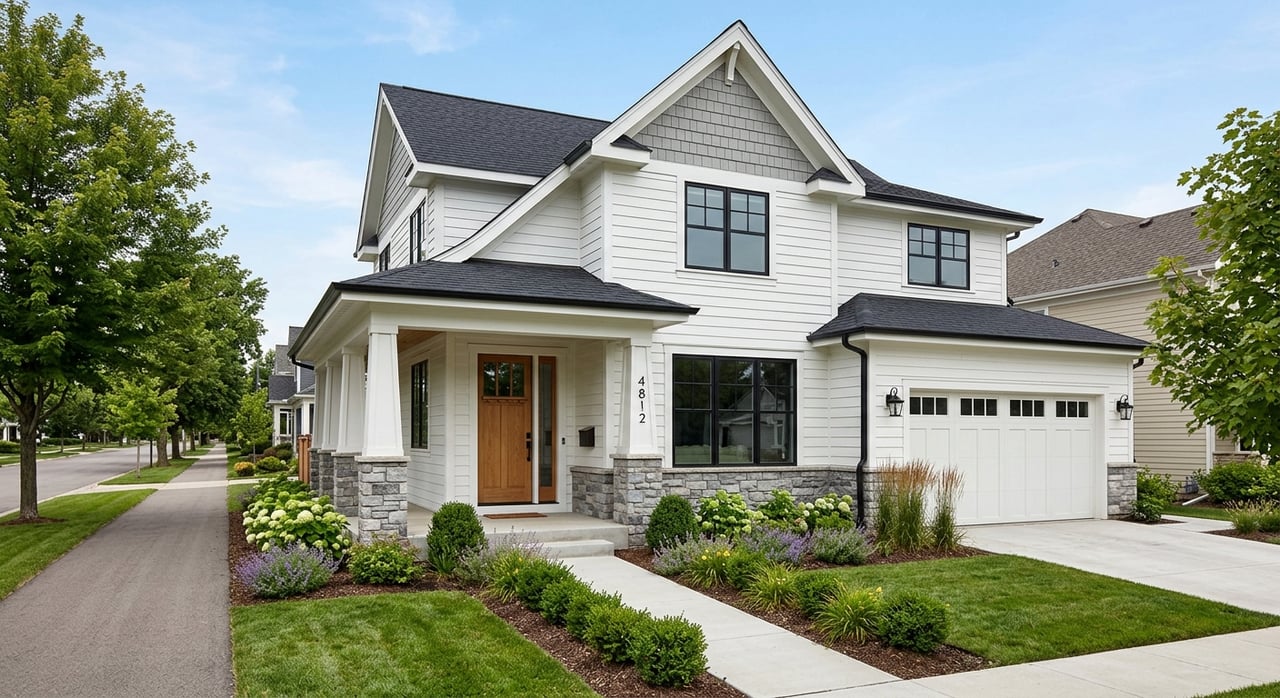
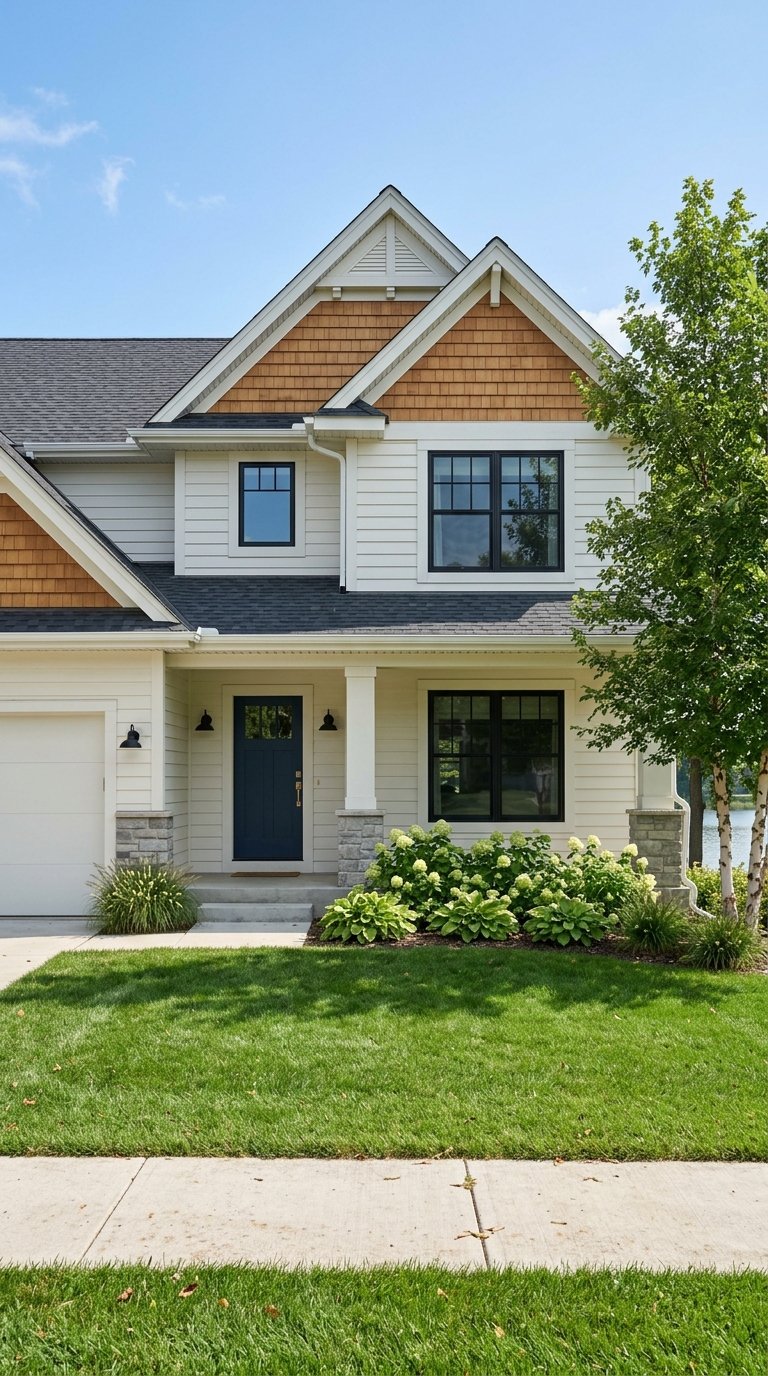
Before professional photos, focus on the outside just as much as the inside. Mow the lawn, rake if needed, trim bushes, edge walkways, and clean out gutters. A simple accent near the entry can also make the home feel more welcoming.
For many listings, the front exterior photo is the first image buyers see. If that photo feels sharp and inviting, they are more likely to keep scrolling.
Plan for showings with fewer distractions
Remove personal and pet-related items
Once photos and showings begin, try to remove anything that pulls attention away from the property. That includes excess personal photos, pet supplies, visible litter boxes, and toiletries left on counters.
The easier it is for buyers to focus on the home’s layout and features, the better. A clean, neutral setting helps them picture their own routine in the space.
Make showing days easy to manage
If possible, leave the home during showings so buyers can take their time. Keep the home picked up daily, open blinds for natural light, and have a quick plan for last-minute tidying.
This part of the process can feel inconvenient, but a flexible showing routine can support better traffic and stronger feedback.
Watch for Plymouth-specific details
Septic systems may still come up
If your property has a septic system, Hennepin County handles most septic regulation and inspections for Plymouth. The county says selling your home does not require a septic system inspection, but septic information still needs to be disclosed when applicable. Hennepin County also notes that many lenders require a compliance inspection before issuing a mortgage.
If septic applies to your property, it is worth reviewing records early so you know what information a buyer or lender may request.
Wells and older homes need extra attention
If the property has a well, Minnesota requires written disclosure of known wells, including status and location. If your home was built before 1978, lead-based paint disclosure rules apply as well.
These are not items to leave until the last minute. The earlier you gather details, the smoother your listing process is likely to be.
Your pre-listing checklist at a glance
90 days before listing
- Pull permit and inspection history through Plymouth property records
- Review past repairs, renovations, and any open permit questions
- Start Minnesota disclosure paperwork
- Gather radon, well, septic, and lead-paint details if applicable
- Consider a pre-listing inspection for older homes or major past repairs
60 days before listing
- Fix visible maintenance issues
- Address leaks, caulking, screens, doors, lighting, and paint touch-ups
- Deep clean problem areas and remove odors
- Declutter room by room
- Stage the living room, kitchen, and primary bedroom first
- Improve outdoor tidiness and entry appearance
30 days before listing
- Make the home photo-ready
- Clean windows, brighten rooms, and replace burned-out bulbs
- Remove personal items and pet clutter
- Simplify countertops and shelves
- Mow, trim, edge, and tidy the yard
- Create a daily showing plan
Selling in Plymouth is often about more than just timing the market. It is about launching with confidence. When your home is well prepared, well documented, and presented clearly, you give buyers fewer reasons to hesitate and more reasons to act.
If you are getting ready to sell and want a practical plan built around your home, timing, and goals, the Greg Winegarden Group can help you prepare, price, and present your property for a strong market debut.
FAQs
What should sellers in Plymouth fix before listing a home?
- Start with visible issues that affect buyer confidence, such as dripping faucets, cracked caulking, sticky doors, torn screens, dirty walls, worn flooring, clutter, and odors.
Is a pre-listing inspection worth it for a Plymouth home sale?
- It can be worthwhile if your home is older, has complex systems, or has had major repairs, because it may reduce the risk of surprises during the buyer’s inspection.
Do sellers in Minnesota have to disclose problems with a home?
- Yes. Minnesota requires good-faith written disclosure of known material facts that could adversely and significantly affect an ordinary buyer’s use and enjoyment of the property.
Do you need a septic inspection to sell a home in Plymouth?
- Not necessarily. Hennepin County says selling your home does not require a septic system inspection, but septic information still must be disclosed when applicable, and some lenders may require a compliance inspection.
Why should Plymouth sellers check permit history before listing?
- Plymouth property records can help you identify open permits, missing inspections, or past work that may need clarification before buyers start asking questions.