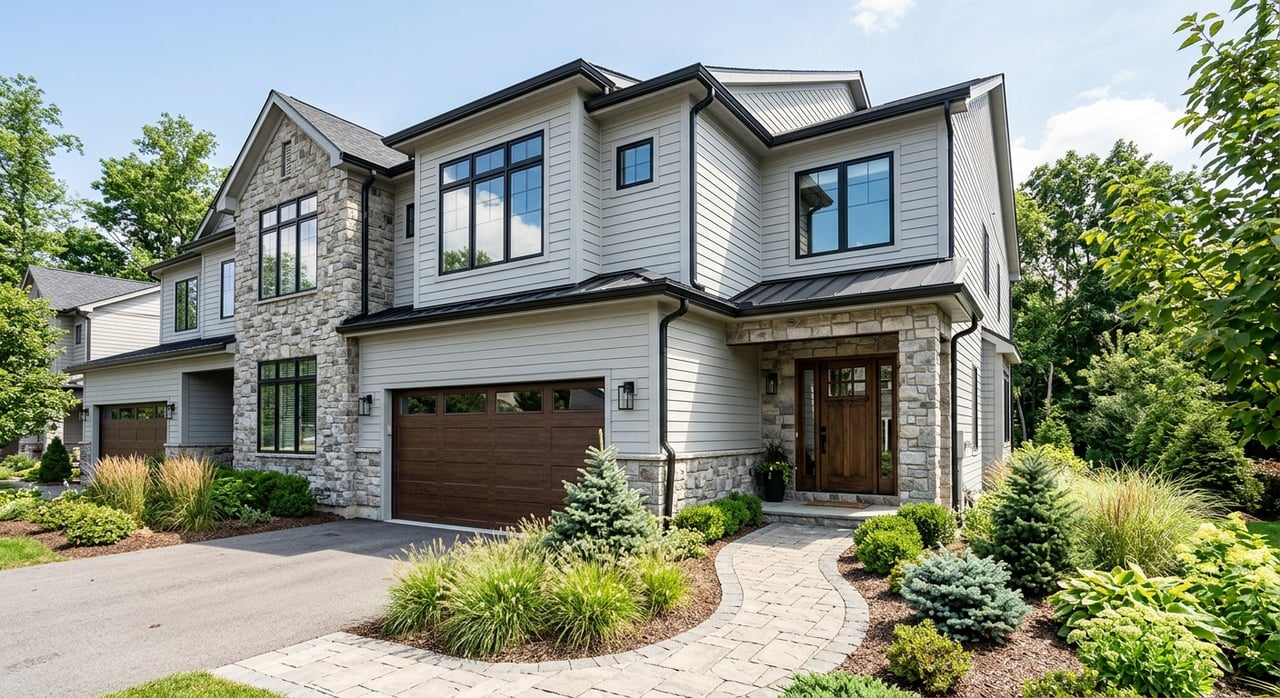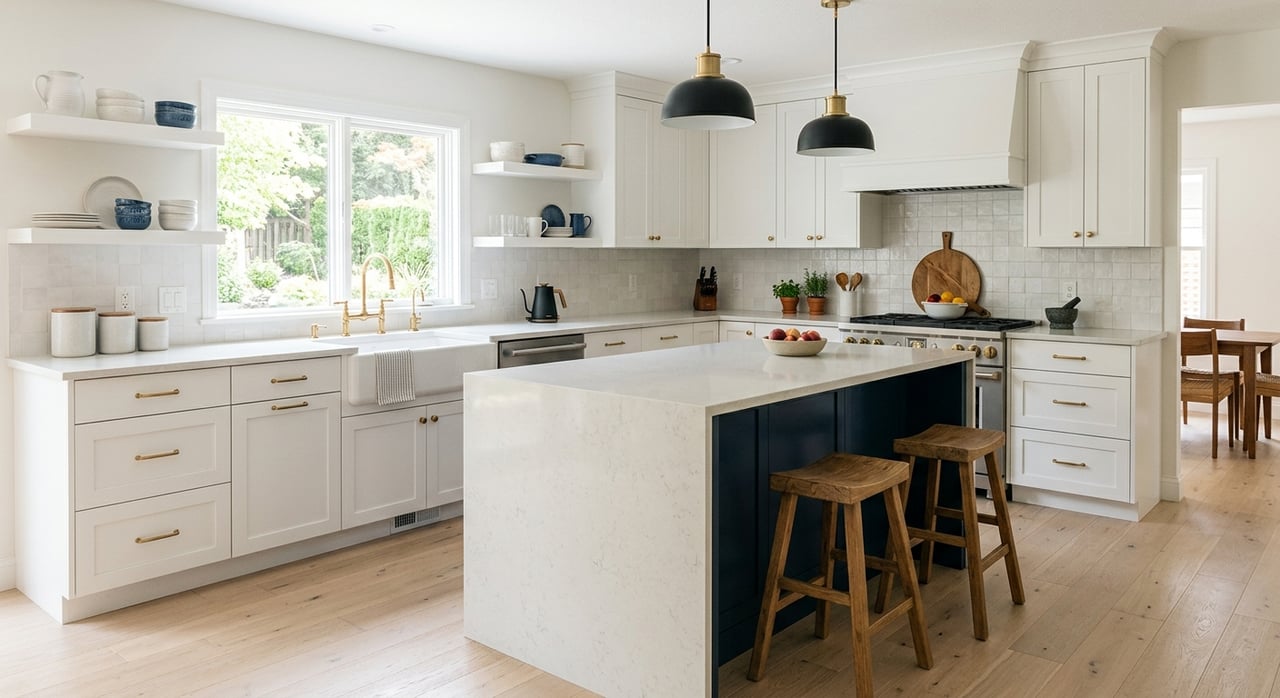
Thinking about selling in Minnetonka and not sure where to price? You’re not alone. With headlines showing different numbers and neighborhoods moving at different speeds, it’s easy to second‑guess your list price. In this guide, you’ll learn how to use current data, micro‑market insights, and a simple plan to price your home with confidence. Let’s dive in.
Minnetonka market snapshot
According to public portal snapshots for December 2025, Minnetonka’s median sits in the mid‑$400Ks, with variations by source. One portal reported a median around $484,700 and about 151 active listings, with average days on market near 71 and a sales‑to‑list ratio close to 97 percent. Other major portals showed a median near $513,000 and a typical value near $463,700 in a Jan 31, 2026 extract. The key takeaway is that different data sets use different samples and timelines, which is why you’ll want an MLS‑based comparative market analysis (CMA) to dial in your number for your street and style of home.
Why this matters for you: city averages are a starting point, not a pricing plan. Your best price depends on your micro‑neighborhood, condition, size, and the competition this month.
Price by micro‑neighborhood
Minnetonka is a collection of distinct micro‑markets. Pricing bands shift with lot size, nearby amenities, and proximity to Lake Minnetonka. Citywide averages can hide big differences from block to block.
- Tonkawood often shows a higher median list or sale price in recent snapshots, with tighter inventory. Homes here will attract a different buyer set and show different price sensitivity than entry‑level areas.
- Spring Hill Park snapshot medians have varied across sources in short windows, which shows how much timing and data definitions matter. When you price, you should pull sold comps from the same 90 to 180‑day window and match condition closely.
- ZIP contrasts matter. Parts of Minnetonka share ZIPs with nearby communities, and some ZIP snapshots have ranged from the high $300Ks to the mid $500Ks. Buyers filter by price brackets and ZIPs, which affects your exposure.
- Waterfront and luxury properties behave like a separate segment. High‑end lake homes can have longer market times and unique pricing dynamics. Recent media coverage of Lake Minnetonka estates highlights that these should be comped against similar lakefront or luxury listings, not the general Minnetonka stock. For context on how the luxury lake segment trades differently, see coverage in the Wall Street Journal about notable Lake Minnetonka properties (luxury lake homes context).
Bottom line: build your pricing range by micro‑neighborhood and property type, and separate lakefront or luxury comps from standard single‑family sales.
What buyers respond to in 2025–26
Buyers in late 2025 and early 2026 tend to prioritize move‑in‑ready homes with updated kitchens and baths, solid mechanicals, and strong curb appeal. Many will pay more for small, visible improvements rather than take on larger deferred repairs.
National guidance highlights that targeted, lighter‑scope projects often deliver the best cost recovery. Examples include fresh interior paint, new entry or garage doors, simple lighting updates, and minor kitchen refreshes. The National Association of Realtors points to these projects as commonly recommended pre‑list steps for both buyer satisfaction and cost recovery (NAR Remodeling Impact Report highlights). External improvements and focused interior refreshes tend to recoup more than major luxury overhauls, according to broader cost‑versus‑value patterns discussed in industry reporting (cost vs. value context).
How this shapes price: if your home shows clean, updated, and well‑maintained, you can often price at or near the top of your CMA range. If it needs noticeable work, you can still win by pricing to the market and, when appropriate, offering credits or disclosing repairs clearly to build buyer confidence.
Your step‑by‑step Minnetonka pricing plan
1) Pre‑list walkthrough and quick triage
Start with a full walkthrough to spot major system issues, safety items, and easy wins. If you have unknowns about the roof, foundation, or mechanicals, a pre‑listing inspection can help you decide what to fix, what to disclose, and how to price accordingly. It also reduces surprise renegotiations later.
2) Pull an MLS CMA tailored to your home
Use sold, pending, and active comps from the most relevant 30 to 180‑day window. Match on micro‑neighborhood, beds and baths, finished square footage, lot size, and condition. This CMA is your best source for a realistic price band and likely appraisal outcomes.
3) Adjust for condition, updates, and timing
Make thoughtful dollar adjustments for recent kitchens, added baths, finished lower levels, or unique features like lake access. Also weigh qualitative appeal, such as updated finishes and curb appeal. Document how each comp differs so your pricing story holds up with buyers and appraisers.
4) Choose a pricing tactic and a pivot plan
Pick one of three approaches, then agree on a clear timeline to adjust if needed:
- Price‑to‑attract: list just below a search barrier to maximize exposure and invite multiple offers.
- Market‑match: list near the CMA midpoint to attract fair offers and cleaner appraisals.
- Anchor high: list above market only with a strong justification and a firm plan to adjust if demand lags.
Set a window, usually the first 7 to 21 days, to watch traffic and feedback and decide whether to hold or pivot.
5) Map buyer search brackets and exact price points
Most buyers search in round‑number brackets, so $499,900 can reach a different audience than $505,000. Align your exact list price with common filters to widen your funnel. The goal is to sit where the most qualified buyers will actually see your home.
6) Pre‑market, stage, and launch well
Professional photography, clean staging, and accurate floor plans help you shine in that critical first impression window. Simple staging and fresh paint are often recommended by national guidance as high‑impact prep steps (NAR prep guidance). If allowed by MLS rules, a brief coming‑soon period can build anticipation before full launch.
7) Monitor week 1–3 metrics closely
Track showings, online views, agent feedback, and offer quality against similar new listings. If activity lags, act early. Many agents prefer a measured, timely price improvement over letting the listing stagnate. The first few weeks are your peak visibility window, so protect it (listing performance focus).
8) Prepare for appraisal risk and negotiations
If you list near the top of your range, plan for appraisal conversations. Options can include seller credits, timing concessions, or revisiting price based on market response. As a broad reference point, recent city snapshots have shown sales‑to‑list ratios near 97 percent, but your result will follow your micro‑market, condition, and offer terms.
Smart pricing levers: your Minnetonka checklist
- Use a current MLS CMA that blends 30–90 day solds, 30–90 day pendings, and your live competition. Call listing agents on relevant pendings for color.
- Pick the search bracket that maximizes exposure. Avoid tiny over‑rounding that moves you out of common buyer filters.
- Match price to condition. If you’re average for the area, list near the CMA midpoint and stage. If you’re below, either adjust the price or offer repair credits. If you’re above, justify the premium with strong comps and documentation.
- Expect neighborhood‑level speed differences. Recent public snapshots have ranged roughly 45 to 71 days on market depending on source and method. Use your CMA and recent pendings to set expectations.
- Consider a pre‑listing inspection when major systems are unknown. It can prevent deal fatigue and keep your timeline intact.
- Focus prep on high‑impact, budget‑friendly items: fresh neutral paint, curb cleanup, lighting swaps, updated door hardware, a minor kitchen refresh, and clear roof and mechanical documentation. National guidance regularly highlights these as smart pre‑list moves (NAR prep and ROI).
How we price and market your Minnetonka home
You deserve both precise local strategy and broad market reach. Our approach combines a tight CMA built around your micro‑neighborhood with professional presentation and enterprise‑level distribution. We plan your price, staging, and launch so your home reaches the right buyers in the right brackets, then we monitor feedback in the first two weeks to protect your momentum. If the market signals a shift, we pivot quickly and confidently.
Ready to see your best‑fit price range and a clear plan to sell well in today’s Minnetonka market? Request your free home valuation with the Greg Winegarden Group.
FAQs
What is the current median price in Minnetonka and how recent is the data?
- Public snapshots from December 2025 place Minnetonka’s median in the mid‑$400Ks, with different portals ranging from roughly $463,700 to $513,000; use a current MLS CMA for your exact neighborhood.
How do Minnetonka prices compare to Hennepin County overall in early 2026?
- Countywide typical values have been lower than Minnetonka’s, which helps explain why many Minnetonka homes price above the county median; the right comp set for your micro‑area will confirm your target range.
How long do Minnetonka homes take to sell right now?
- Depending on the data source and sample period, recent snapshots have ranged roughly 45 to 71 days on market; days‑to‑pending can differ by segment and condition.
How should I price a Lake Minnetonka or luxury property in Minnetonka?
- Treat lakefront and luxury as a distinct segment with separate comps, longer timelines, and unique buyer pools; compare only against similar high‑end or waterfront properties.
Do I need to fix things before listing, or can I price around issues?
- You can do either, but targeted, visible updates and clear documentation tend to support stronger pricing; consider a pre‑listing inspection for unknowns and weigh cost vs. likely days on market.
What is a CMA and why does it matter for Minnetonka sellers?
- A comparative market analysis matches your home to recent solds, pendings, and active competition in your micro‑neighborhood to set a realistic list price and plan for appraisal.
When should I consider a price adjustment after going live?
- Review showings, online views, and feedback in the first 7 to 21 days; if activity lags behind similar new listings, a timely adjustment can recapture buyer attention.