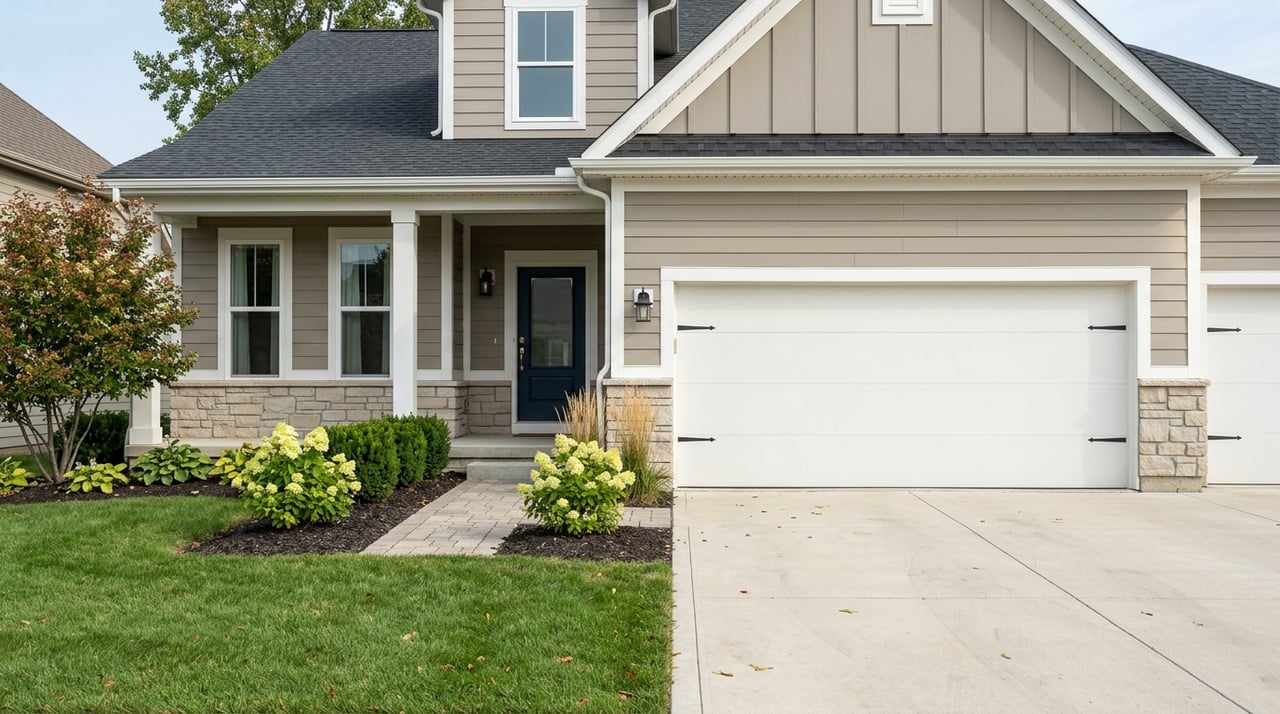
Trying to choose between the charm of historic downtown Chaska and the ease of a newer subdivision? You are not alone. Many buyers love Chaska’s small-town feel but get stuck on one big question: do you want character first, or predictability first? This guide will help you compare both options so you can decide which version of Chaska fits your daily life, budget, and home goals. Let’s dive in.
How Chaska Offers Two Different Lifestyles
Chaska gives you two distinct ways to enjoy its small-town atmosphere. In the historic downtown area, you will find a village-scale core shaped by the city’s early growth from the late 1800s through the 1920s. The area is known for Chaska-brick facades, limestone trim, wood porches, cast-iron details, and large storefront windows.
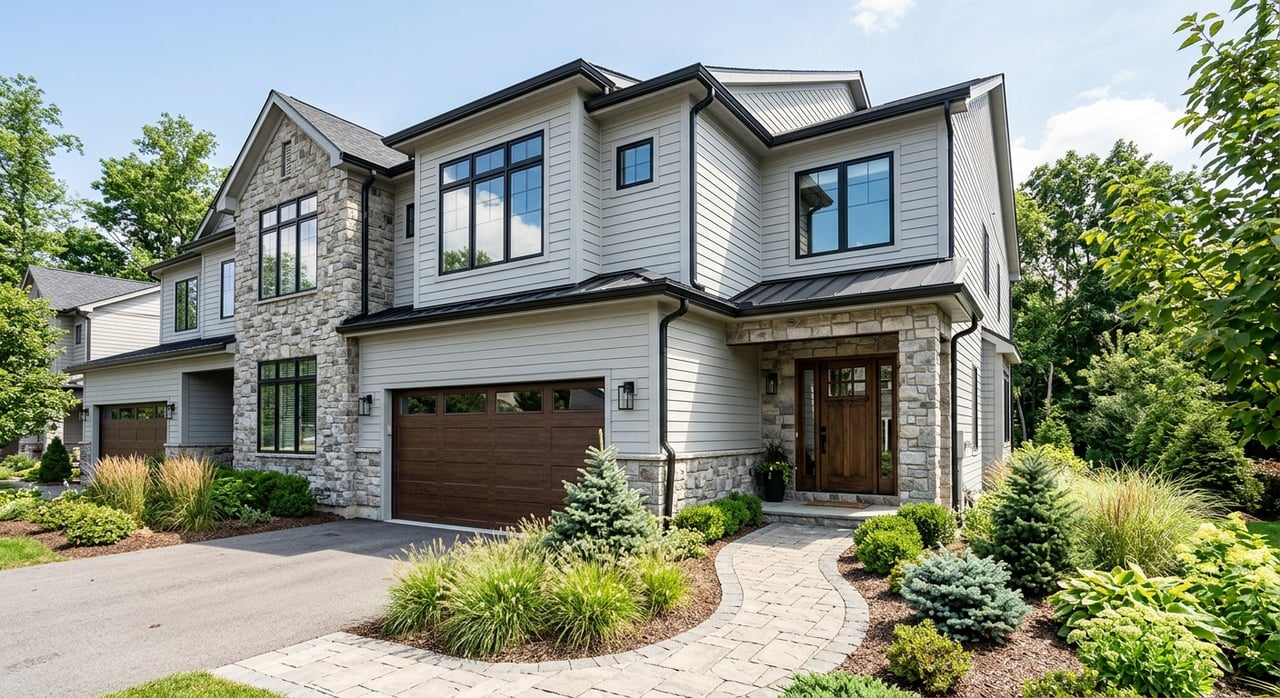
Newer housing is mostly being added along Chaska’s growth edges rather than in the historic core. Current development areas include Highpoint Vista, Rivertown Heights, and Holasek, with a mix of detached homes, townhomes, and twin homes. In both settings, the city has stated a focus on maintaining and enhancing Chaska’s small-town feel.
That is important because this decision is not only about the house itself. It is also about what kind of neighborhood setting feels right to you. Some buyers want the texture and history of downtown streets, while others want newer layouts and a more standardized neighborhood design.
Historic Downtown Chaska: What Stands Out
Historic downtown Chaska has a strong sense of place. The city notes that many of its historic homes are concentrated in the downtown area bounded by Beech, First, Hickory, and Sixth streets. City Square also sits within the Walnut Street National Historic District, which adds to the area’s civic and architectural identity.
If you enjoy older homes, downtown offers details that are hard to recreate in new construction. You may see original brickwork, front porches, varied setbacks, and homes woven closely into the street grid. The result is a neighborhood feel that tends to be more visually varied and more connected to Chaska’s early history.
Inventory in downtown Chaska also tends to be limited. Current public examples show a small number of listings, with prices ranging from about $260,000 for a townhome and $300,000 for a rehabbed starter home to more than $1.1 million for newer or infill properties. Tight inventory can make the area appealing if you value a central location and distinctive housing stock.
Downtown Daily Life
One practical advantage of downtown Chaska is its street layout. The city says downtown has sidewalks on both sides of each street, which supports walking from block to block. If you like the idea of being close to downtown streets and City Square, that can shape how you experience daily life.
This does not mean every errand will be done on foot, but the traditional grid can create a more connected feel. For buyers who care about walkable surroundings, downtown has a different rhythm than edge development. That can be a major quality-of-life factor depending on how you want to spend your time.
Downtown Maintenance and Ownership Considerations
Older homes can come with special maintenance needs. The city’s guide for designated historic residences covers windows, doors, roofs, gutters, masonry, siding, additions, fences, and architectural details. It also notes that Chaska brick can be soft and that mortar should match the original material.
That does not mean historic ownership is a burden. It does mean you should be comfortable with more specialized upkeep and, for designated properties, preservation-oriented review. Some minor work may not require full Heritage Preservation Commission review, though liaison review is typically needed.
New Subdivisions in Chaska: What Stands Out
If you want newer construction, Chaska has active growth in several communities. The city’s lot inventory showed 108 available single-family lots as of April 6, 2026, across communities including Oak Creek, Rivertown Heights, Ensconced Woods, Highpoint Vistas, Harvest West, and Del Webb. That gives buyers more options if your priority is availability and choice.
Newer neighborhoods also tend to follow more predictable design patterns. City design guidelines for new residential areas call for lot sizes from 5,000 to 15,000 square feet, widths from 40 to 100 feet, and front setbacks from 8 to 30 feet. The same guidelines encourage garages behind the front porch or alley access where possible, which points to a more planned subdivision layout.
For many buyers, that predictability is the draw. You can often expect newer floor plans, more consistent lot geometry, and fewer surprises during ownership. If you want a home that feels move-in ready from day one, a newer subdivision may line up better with your goals.
New Construction Pricing and Supply
Citywide, Chaska’s median sale price was $427,950 in March 2026. For new homes specifically, public market data shows 54 new homes for sale with a median listing price of $650,000. That suggests new construction is often positioned above the citywide median, though price points vary.
Current examples start lower in some cases, with one listed at $396,990, while many plans fall in roughly the $560,990 to $672,990 range. Larger custom builds can reach well above $1 million, with some top-end listings near 1 acre and priced above $1.97 million. In other words, new subdivisions can work for a wide range of budgets, but many options sit in Chaska’s mid-to-upper price tiers.
Newer Neighborhood Living
Newer neighborhoods may not offer the same block-by-block walkable pattern as historic downtown. The city says many newer Jonathan neighborhoods use a separate backwalk trail system, while neighborhoods outside Jonathan often have sidewalks on only one side of sub-collector streets. That creates a different kind of movement through the neighborhood.
Still, Chaska offers more than 100 miles of trails and a broad park system. So even if your daily errands are more likely to involve driving, recreation access remains a major plus. If you value trails, open space, and neighborhood planning, newer communities can still offer an active lifestyle.
Lot Sizes, Yards, and Upkeep
One of the biggest lifestyle differences comes down to the lot and the work that comes with it. In newer communities, city guidelines point to a clearer range of lot dimensions and setbacks. That can make it easier to compare one property to another and understand what you are getting.
Downtown lots are often more compact and more variable in shape and layout. The city describes historic downtown fabric as freestanding residences woven into the commercial district, with alleyways and spaces between buildings. If you like variety and an established setting, that may feel appealing rather than limiting.
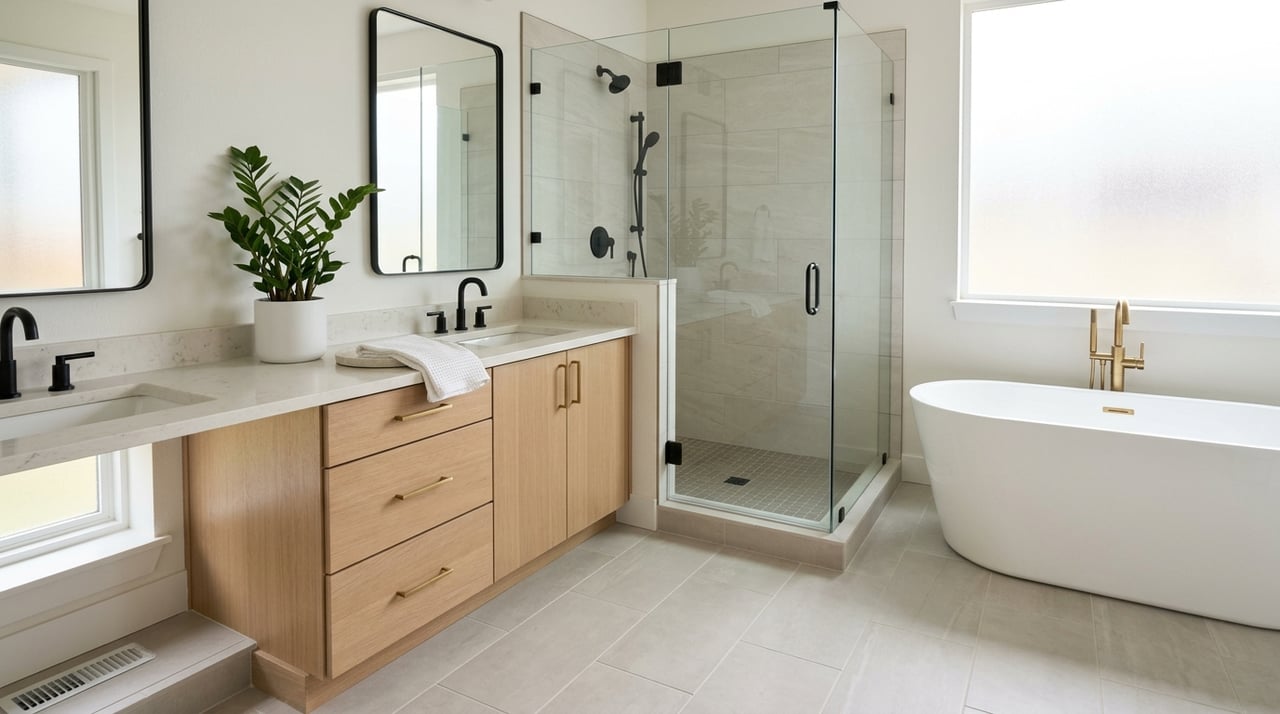
Maintenance is another key tradeoff. New-home communities often highlight energy-efficient products, smart-home packages, and contemporary materials. While every home is different, many buyers choose new construction because it may involve less immediate exterior upkeep than an older historic home.
Which Buyers Usually Prefer Downtown
Historic downtown Chaska tends to appeal to buyers who want a strong sense of place. You may be a good fit if you value architectural character, a central location, and a neighborhood setting shaped by the city’s history. You may also prefer downtown if being near City Square and the historic street grid matters to you.
Downtown can also work well if you are open to tradeoffs. You may need to accept tighter inventory, more variation from one home to the next, and the possibility of specialized maintenance. For the right buyer, those are not drawbacks. They are part of the appeal.
Which Buyers Usually Prefer New Subdivisions
New subdivisions are often the better fit if you want simplicity and predictability. You may prefer this option if newer systems, modern layouts, and lower-maintenance living rank high on your list. The broader supply of available lots and active communities can also make your search feel less constrained.
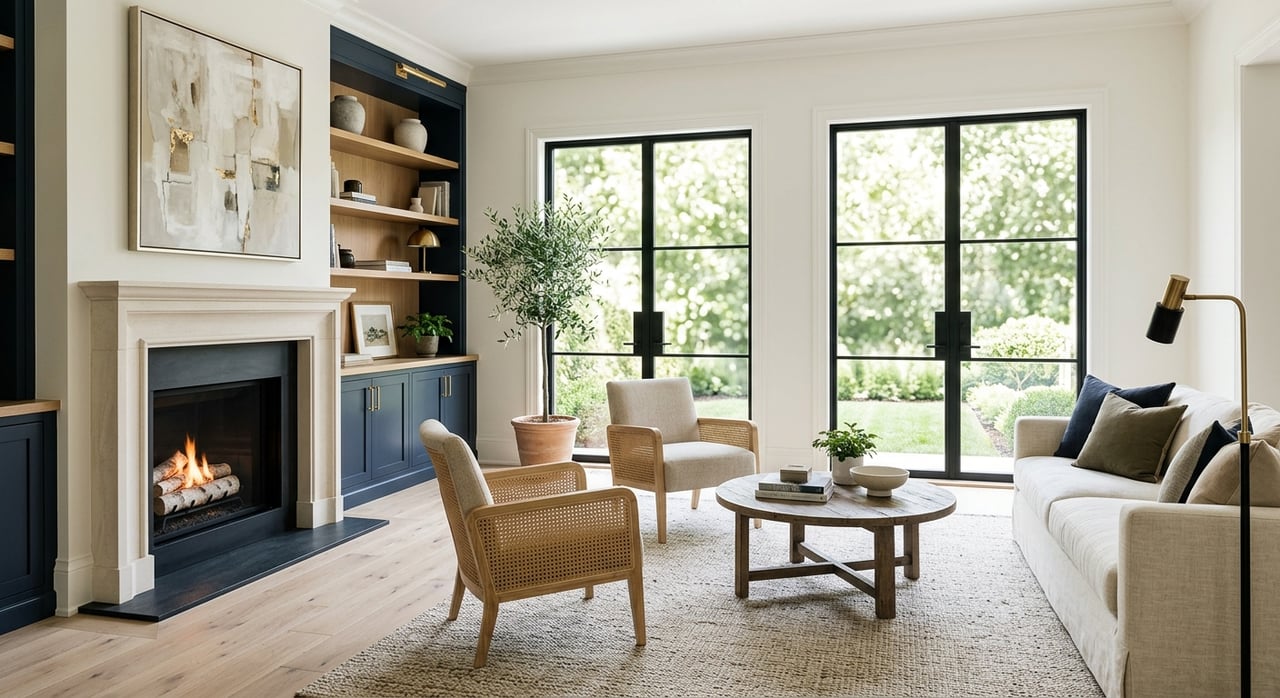
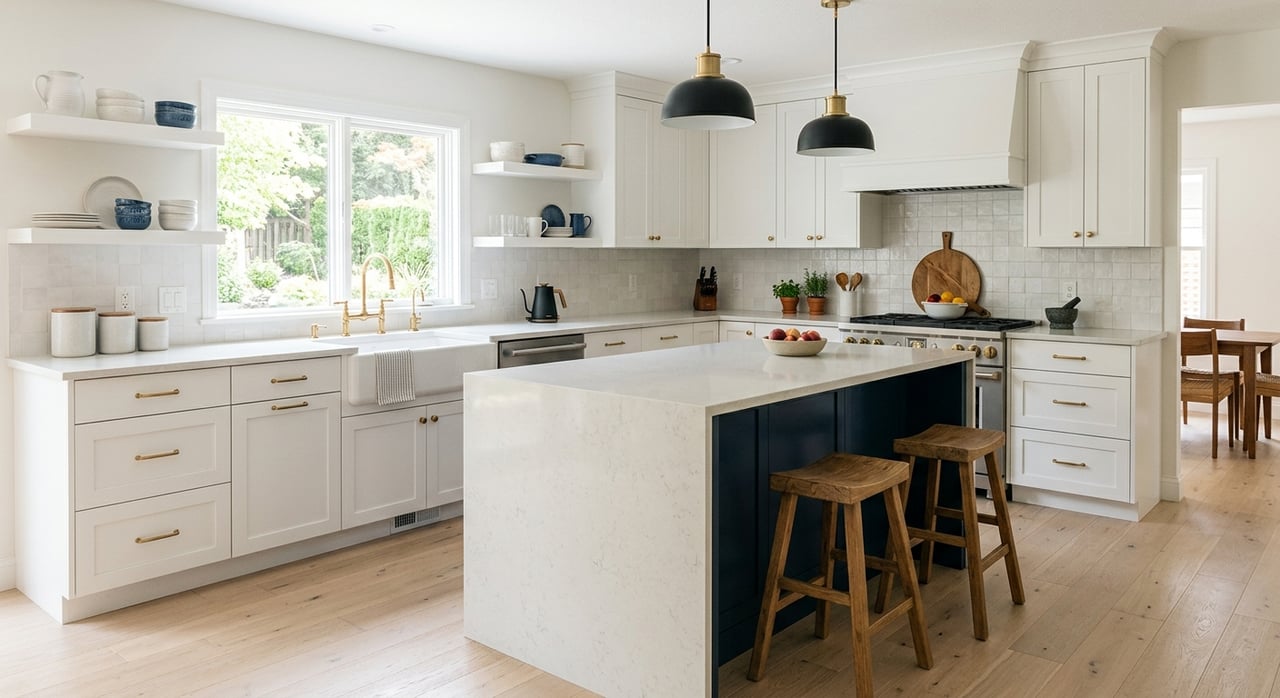
This path can be especially helpful if you want to compare plans, finishes, and lot sizes in a more structured way. You may also like having access to newer homes in Chaska’s mid-to-upper price ranges. If you want a home that supports a busy lifestyle with fewer immediate projects, new construction may be the better match.
A Simple Way to Decide
If you feel torn, ask yourself one question: Do you want character first, or predictability first? In Chaska, both can be great choices. The right answer depends on how you want to live every day, not just what looks best online.
Choose historic downtown if you want distinctive architecture, a stronger historic setting, and a more connected downtown feel. Choose a newer subdivision if you want newer floor plans, more standardized lots, and a home that may ask less of you right away. When you frame the decision that way, your next step usually becomes much clearer.
If you are weighing homes in downtown Chaska or newer communities around the city, the right guidance can save you time and help you focus on what fits your goals. The Greg Winegarden Group offers relationship-first buyer and seller representation backed by deep local knowledge across Chaska and the western Twin Cities suburbs.
FAQs
What is the difference between historic downtown Chaska and new subdivisions?
- Historic downtown Chaska offers older housing stock, architectural character, and a more traditional street grid, while new subdivisions generally offer newer floor plans, more standardized lots, and more predictable maintenance.
Is downtown Chaska more walkable than newer neighborhoods?
- The city says downtown Chaska has sidewalks on both sides of each street, while many newer areas use trail systems or have sidewalks on only one side of some streets, so downtown often provides a more connected walking environment.
Are newer homes in Chaska more expensive than older homes?
- Public market data shows Chaska’s citywide median sale price was $427,950 in March 2026, while new homes had a median listing price of $650,000, though actual prices vary by location, size, and property type.
Does historic homeownership in Chaska come with special maintenance needs?
- Yes, designated historic residences may require preservation-minded upkeep for items like masonry, windows, roofs, and siding, and some work may involve review through the city’s preservation process.
How much new construction is available in Chaska?
- Public market data showed 54 new homes for sale, and the city’s lot inventory listed 108 available single-family lots as of April 6, 2026, across multiple active communities.
How do I choose between downtown Chaska and a new subdivision?
- A simple way to decide is to ask whether you value character and historic ambiance more, or newer systems, modern layouts, and lower-maintenance living more.