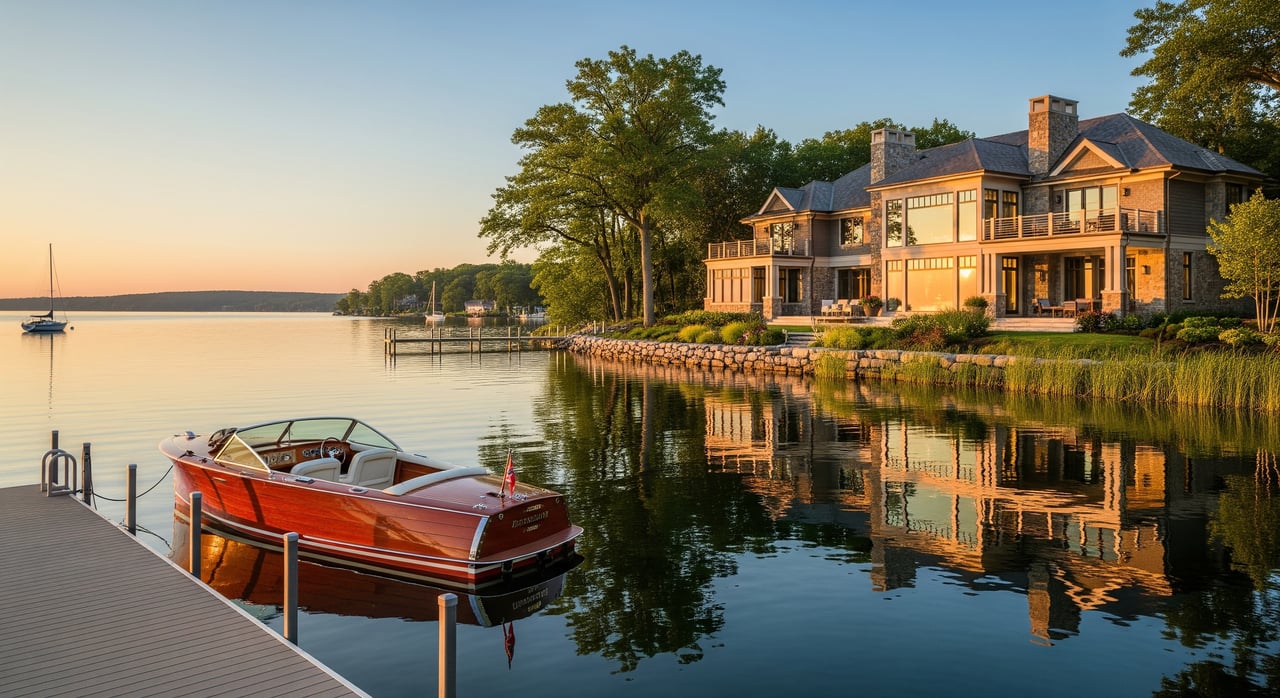
Wondering when to list your Wayzata or Lake Minnetonka luxury home so you get strong attention and a smooth sale? You are not alone. In a market where waterfront access, lifestyle, and low inventory shape demand, timing can be the difference between multiple showings in a week and a slower, less predictable path. In this guide, you will learn how seasons affect buyer behavior, how to prepare 6–12 weeks ahead, and which data points help you decide the right listing window for your goals. Let’s dive in.
What “luxury” means in Wayzata
Wayzata’s luxury lake market is a set of micro-markets that include Wayzata proper and nearby Lake Minnetonka communities like Minnetonka Beach, Orono, Shorewood, and Excelsior. True waterfront and near-lake neighborhoods can perform differently, so your timing and pricing should reflect your exact shoreline and submarket.
Price bands vary by neighborhood. As a general working frame, near-luxury often sits several hundred thousand above the local median, while luxury typically starts higher, especially for prime waterfront or custom homes. Use local MLS data and recent comparable sales to confirm the right band for your property and zip code.
Waterfront amenities, proximity to the Twin Cities, and the local lifestyle all influence buyer intent. Low inventory for true waterfront makes individual listing decisions more consequential, which is why preparation, photography, and season-aware marketing matter.
Seasonal patterns that drive results
Spring brings peak exposure
March through June is the primary selling season across the Upper Midwest. In Wayzata and Lake Minnetonka, spring listings benefit from buyers planning for dock and boating season. Buyer traffic is generally highest, marketing times can be faster, and competing offers are more common when listings are well positioned for spring.
Summer shows the lifestyle
Summer delivers the best visual presentation for the lake. Open water, landscaping, and outdoor living spaces shine. Buyer activity can be mixed, since some out-of-town and seasonal buyers are traveling, but local high-intent shoppers stay active. Twilight showings and weekend open houses can be effective. If you list late in summer, you risk missing buyers who wanted immediate lake use.
Early fall offers a second wave
September through October often brings a smaller but motivated pool of buyers. Families return from summer schedules, and some shoppers want to move before year-end for personal, financial, or tax reasons. If inventory is tight, early fall can produce solid outcomes with less competition.
Late fall and winter can still work
November through February is the quietest stretch for both listings and showings. That said, well-priced homes can find qualified buyers when inventory is limited. For waterfront properties, frozen lakes and dormant landscaping reduce exterior appeal, so interior presentation and targeted marketing are key. Some white-glove buyers continue to transact in winter, and quick sales do occur when supply is thin.
How buyers evaluate waterfront and near-lake homes
Lake buyers focus on visual cues and shoreline specifics. Docks, water clarity, sightlines, and shoreline stability can be decisive. Inspection priorities often include shore protection, dock permits, erosion control, setbacks, and septic or sewer details where relevant. Some buyers want to secure a home before mid-summer for immediate use, while renovation or investment buyers are more flexible on timing.
Financing and rate sensitivity vary. Luxury buyers may use jumbo loans or cash, which changes but does not remove the impact of mortgage-rate moves. This is another reason to watch both inventory and financing trends as you plan.
Picking your moment: timing trade-offs
If you want top exposure
List in spring when buyer traffic is typically highest. You can often price at full-market value, or slightly aspirational if comparable sales support it. Spring buyers are motivated to lock in a lake home ahead of peak summer use, which can increase showing activity.
If you need a specific closing window
Work backward from your target closing date. Build in 6–12 weeks for prep, plus the expected marketing time for your price band. If you need to close in summer, consider a late winter or early spring launch so buyers have time to act, finance, and schedule inspections.
If you must sell off-season
Present the interior at a high level, emphasize unique architecture or views, and use targeted outreach to qualified buyers. Consider slightly more conservative pricing unless inventory is unusually low and recent sales support a premium.
Preparation timeline for lake homes
A strong timeline gives you options, especially when permits or exterior work are involved.
6–12 weeks out
- Plan and complete exterior work like dock repairs, shoreline stabilization, and landscaping.
- Confirm compliance and permits with the City of Wayzata or relevant authorities as needed.
- Consider pre-list inspections to reduce buyer contingencies.
- Schedule professional photography for favorable season conditions.
3–6 weeks out
- Finish interior repairs, deep clean, and stage for your target season.
- Assemble service records for roof, HVAC, and utilities.
- Gather title documents, permit history, and any shoreline or dock records.
1–2 weeks out
- Add final staging touches and capture twilight photos.
- Coordinate showing strategy and launch your marketing plan.
Pricing and marketing by season
Pricing should reflect demand patterns and comparable sales in your exact micro-market.
Spring: Leverage higher traffic and the possibility of stronger buyer competition. Price at full-market value or slightly higher if comps and condition support it. Position the home as summer ready.
Summer and early fall: Price competitively and lean into presentation. Highlight dock, marina proximity, sightlines, and outdoor living. Use twilight showings to showcase lighting and lake ambiance.
Late fall and winter: Consider more conservative pricing unless inventory is extremely tight. Use an interior-forward marketing approach and, when possible, bring in drone or prior-season exterior photos to illustrate warm-weather appeal.
For higher-end properties, private showings often outperform public open houses. Prioritize qualified buyers, coordinate showing times around natural light, and ensure safe dock access where appropriate. Many luxury sellers set clear showing protocols for privacy and security.
Photos and showings that sell the lake lifestyle
Photography is a strategic asset in Wayzata’s luxury lake market. Summer photography typically best showcases the water and outdoor spaces. Early spring can work once snow and ice recede. For winter launches, focus on light-filled interiors and premium finishes, and supplement with drone footage or warm-weather photos if available. Twilight showings in summer are especially effective for capturing evening views and the feel of the shoreline.
A data-driven way to decide your listing date
Before you set your date, review the numbers for your price band and neighborhood, not just the broader market. Key metrics include:
- Months of inventory for your luxury segment and micro-market.
- Median and list-to-sale price ratios for the past 3–6 months, compared with prior years for seasonality.
- Average and median days on market by month for comparable waterfront or near-lake properties.
- New listings per month and current active listings at your price point.
- Pending-to-new listings ratio as a demand indicator.
- Closed sale counts and list-to-sale performance for relevant comps over the last 6–12 months.
- Mortgage rate trends and jumbo financing availability.
- Local factors like school-year timing, Wayzata community events, and lake season milestones.
Scenario prompts
- Inventory low, rates stable, spring near: List in late February through April to capture peak demand.
- High inventory and softer demand: Invest in pre-list improvements, then aim for early fall when buyers return, or bring a highly competitive spring listing with standout marketing.
- Winter sale required: Lead with superior interior presentation, flexible showings, and targeted outreach to qualified and out-of-area buyers.
Avoidable pitfalls in Wayzata lake listings
- Treating all lake-adjacent areas the same. Micro-markets around Lake Minnetonka differ by shoreline, access, and buyer pool.
- Assuming dock or boathouse permissions without verifying. Confirm permits and setbacks with the appropriate local agencies before launch.
- Ignoring shoreline condition and inspection items. Buyers scrutinize erosion control, riprap or seawalls, and septic or sewer documentation.
- Missing boating season. If buyers plan to use the lake immediately, a late-summer listing may reduce urgency.
- Pricing off the overall median. Use luxury price bands and recent comps that match your location and amenities.
Next steps
If you want a clear, data-backed plan for timing your sale, start the conversation early. A short consultation can help you align prep work, photography, pricing, and launch date with the realities of Wayzata’s luxury lake market. The right sequence can boost exposure and improve your odds of a smooth, confident sale.
You can expect boutique, relationship-first service paired with enterprise-level marketing reach. To plan your best timing and strategy, connect with the Greg Winegarden Group today.
FAQs
Is spring always best for selling a Wayzata luxury lake home?
- Spring usually brings the most buyer traffic and faster marketing times, but the best choice depends on your specific micro-market, inventory, and closing goals.
Should I wait until the lake is open in summer to list?
- Summer photos are compelling, yet many buyers want to secure a home before peak season, so a spring launch with strong visuals can capture those shoppers.
Do waterfront homes take longer to sell than near-lake homes in Wayzata?
- Not necessarily; true waterfront can move quickly when shoreline condition, access, and pricing align with buyer expectations.
Can a winter listing in Wayzata still succeed?
- Yes, if inventory is tight and marketing is interior focused with targeted outreach; pricing should reflect seasonal demand unless comps justify a premium.
What records should I gather before listing a Lake Minnetonka waterfront home?
- Dock and shoreline permits, service records, septic or sewer documentation, and any local association or zoning details that apply to your parcel.
How far in advance should I start preparing for a spring listing?
- Begin 6–12 weeks ahead for exterior work, permits, inspections, and photography planning, then complete staging and documents in the final month.